
News & Tips
10 Common Mistakes to Avoid During Open Enrollment
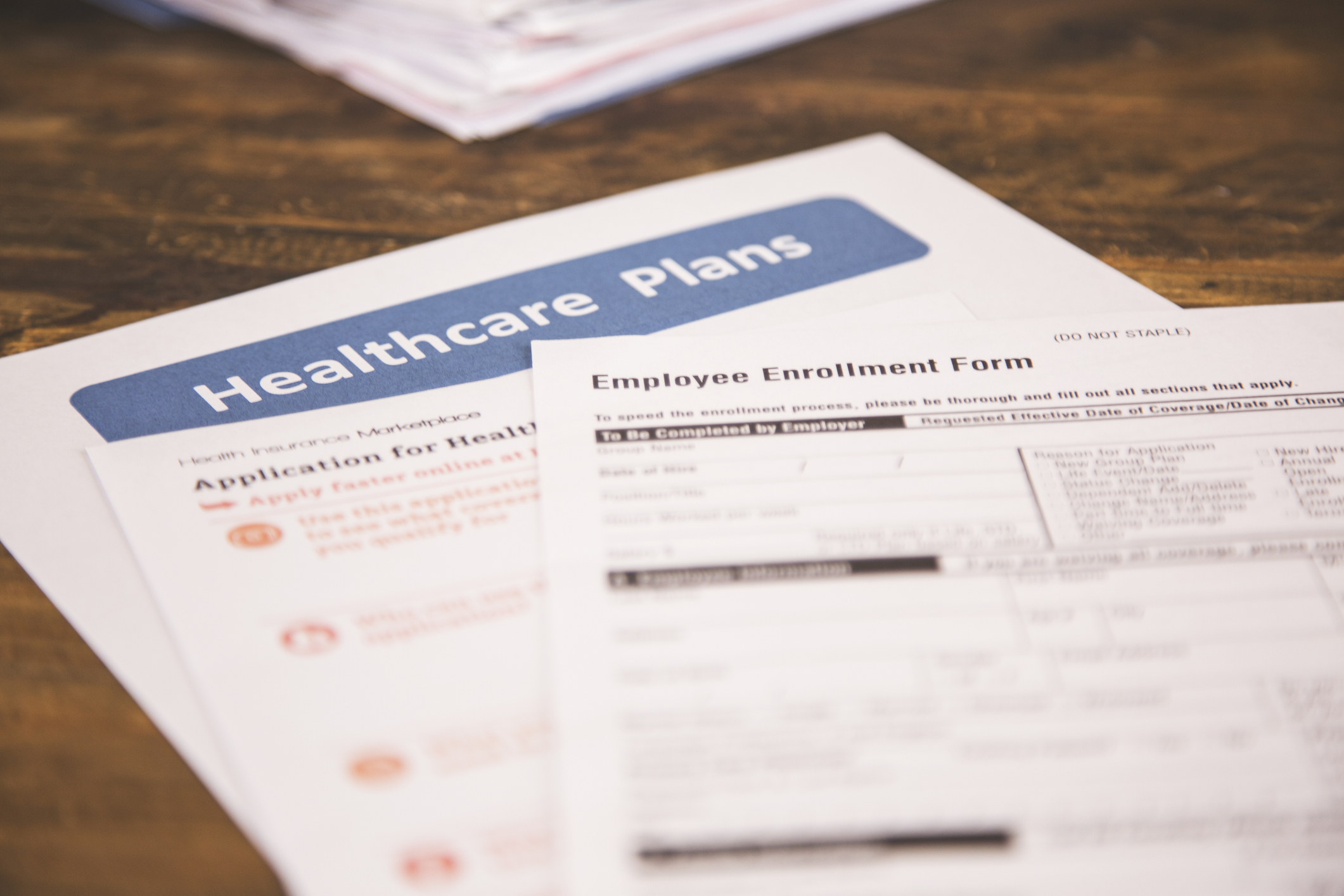
If you receive benefits through an employer, open enrollment is your annual opportunity to review your workplace benefits and make choices for the new year come around. These are choices that could impact your health and your wallet. Whether you’re new to open enrollment or a seasoned pro, it’s easy to overlook something important.
Let’s walk through some of the most common open enrollment mistakes for you to avoid and make the most of your options.
1. Waiting Until the Last Minute
Open enrollment periods are only open for a limited time. With busy schedules, it’s easy to put off making your choices. But if you wait too long, you might rush through your decisions or miss the deadline and get stuck with your old plan for another year.
To offset this chance, set a reminder for yourself at the start of open enrollment and try to get any questions answered early. This way, you stay in control and avoid any last-minute stress.
2. Ignoring Telehealth and Virtual Care Options
Telehealth has come a long way. Now, it’s more important than ever to ask: Does your insurance offer virtual doctor visits, mental health support, or even access to digital wellness apps? Many plans now provide convenient telehealth services, sometimes at lower out-of-pocket costs than in-person visits.
Don’t overlook these benefits and neglect to check for coverage details. Be sure your plan supports the telehealth options you use or might want to try. It can save you time, money, and effort.
3. Overlooking Mental Health Coverage
Your mental health matters just as much as your physical health. More workplace benefits now include therapy, counseling, or programs for emotional well-being. Coverage for things like teletherapy or mental health apps is increasingly common.
You know about medical and dental, but don’t ignore what’s offered for mental health. If you or a family member might need support, review your plan options and network. Make mental health a priority each year.
4. Not Adjusting for Healthcare Cost Inflation and Cost-of-Living Changes
Healthcare costs like deductibles, copays, and prescription costs could have changed, so if you only look at last year’s prices, you might not be ready for any upcharges. Always be sure to review the newest rates and limits, and factor them into your planning, so expenses don’t catch you off guard.
5. The "Passive Opt-In" Trap
Letting your current plan auto-renew is tempting, especially when life gets busy, but things change. Maybe your family has grown or you need different coverage. Your employer’s plan may also look different from last year, with new premiums, providers, or benefits.
Make sure you review the benefits guide or ask your employer about any updates. Take the time to compare your options as small changes could make a big difference down the line.
6. Making Assumptions About Coverage Without Verifying
Insurance plans, networks, and covered benefits can change each year, even if you stick with the same provider. Maybe a favorite doctor is no longer in-network or a medication you rely on isn’t covered like before.
Don’t assume your coverage will be the same as last year without reading the details. Double-check what’s covered, such as which providers are in-network and if any rules have changed. Clarifying beforehand can prevent costly surprises later.
7. Forgetting to Compare Spousal and Dependent Coverage
It sounds safe to have you and your spouse covered under separate workplace plans or list all dependents on each, but dual coverage often leads to higher premiums and extra paperwork.
You might miss out on bigger savings by not comparing costs and coverage for family members across both plans. Before signing, check if it’s cheaper to cover everyone under one spouse’s plan.
8. Ignoring HSA vs FSA Opportunities
Enrolling in a Health Savings Account (HSA) or Flexible Spending Account (FSA) could stretch your healthcare dollars further. Both let you use pre-tax dollars, lowering your taxable income when you spend on medical needs. Failing to enroll in the appropriate account could mean missing out on benefits. However, the rules vary:
HSAs roll over all unused funds each year and go with you if you leave your job.
FSAs usually have a “use it or lose it” rule, although some offer small rollovers.
Contribution limits change annually, so check each year’s cap.
HSA eligibility depends on enrollment in a qualified high-deductible health plan and other IRS rules. Tax treatment and contribution limits are subject to change
9. Skipping Vision and Dental Benefits
Eye exams and dental visits might seem minor, but these benefits often carry more value than you’d think. Vision or dental issues can impact overall health and catching things early could save you money and stress.
Always be sure to check if your plan is adding, expanding, or improving vision and dental options each year.
10. Forgetting to Update Life Insurance or Beneficiaries
A lot can change in a year—marriage, having a child, even a new mortgage. Failing to update your life insurance coverage or beneficiary information is a common slip. Take the time to check your designations and coverage to make sure your loved ones are protected.
Be Proactive, Not Passive
No matter how long you’ve been with your company, it pays to take an active role during open enrollment. Set aside some time to read the benefits guide, explore new offerings, and ask questions. You work hard for your benefits and with a review each year, you can keep them working for you and your family.
**This article is for general informational purposes only and doesn't constitute financial, tax, insurance, or benefits advice. Members should consult their employer, benefits administrator, or a qualified professional regarding their specific situation.